Updated 5 July 2026 12:33 PM
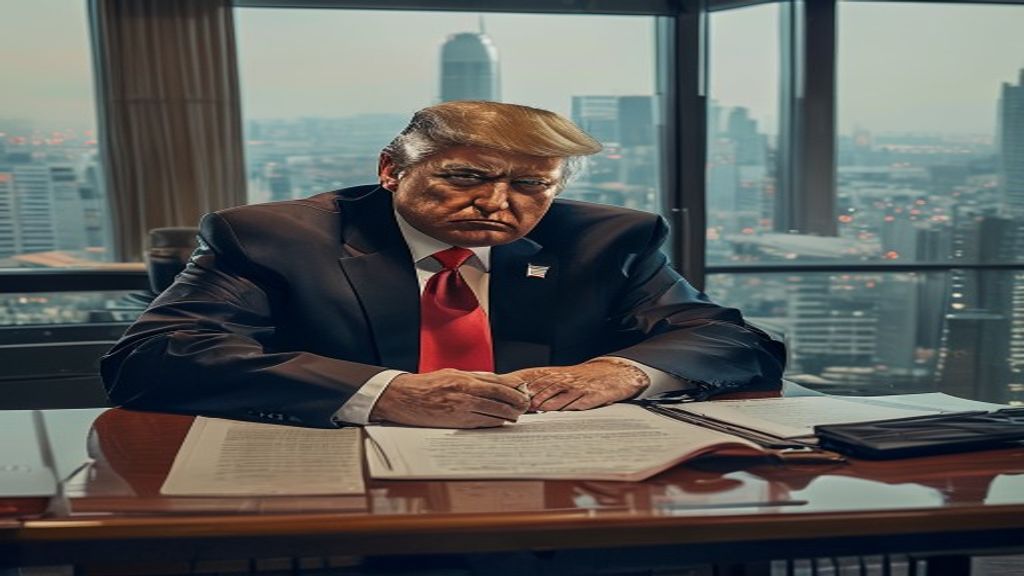
Former President Donald Trump has floated the possibility of a U.S.–Iran meeting this week, a development that comes after a brief lull in the escalating West Asian conflict. Trump’s remarks, made in a post‑campaign interview, suggest that the U.S. and Iran may be moving toward a diplomatic pause, even as both sides remain at odds over the next steps.
Trump’s Statement and the Timing of Talks
During a televised interview, Trump said that the U.S. and Iran had agreed to hold peace talks in Doha, Qatar, following a series of clashes over the past weekend. He added that the meeting might be “perhaps” scheduled for this week, indicating a tentative but hopeful stance.
Iranian Officials Respond with Silence
Iranian representatives have publicly denied any concrete plans for a meeting. In a brief statement, they emphasized that no official schedule had been set and that any talks would require mutual consent and a clear agenda. The Iranian side remains cautious, wary of appearing to concede on key issues.
Recent Escalation and the Pause in Hostilities
The region has seen a sharp uptick in military exchanges, with both sides launching airstrikes and retaliatory attacks. However, a recent decision to pause strikes has opened a window for diplomatic engagement. Key points of contention include:
- Iran’s nuclear program and its compliance with international agreements.
- The status of the U.S. embassy in Tehran and the protection of American nationals.
- Regional security dynamics involving allies such as Israel and Saudi Arabia.
Doha as a Potential Diplomatic Venue
Doha has historically served as a neutral ground for Middle Eastern negotiations. The choice of Qatar as a meeting place reflects a strategic attempt to balance influence among regional powers. The city’s diplomatic infrastructure and experience in hosting talks make it a logical venue for a U.S.–Iran dialogue.
Implications for U.S. Foreign Policy
Trump’s comments signal a shift from the hardline stance that characterized his administration’s approach to Iran. If a meeting materializes, it could:
- Reopen channels for negotiation on nuclear safeguards.
- Provide a platform to address broader security concerns in the Gulf.
- Influence the U.S. stance on sanctions and economic measures against Iran.
Regional Reactions and Future Outlook
Regional actors are watching closely. Israel has expressed cautious optimism, while Saudi Arabia remains skeptical of any concessions that could strengthen Iran’s position. The outcome of these talks will likely shape the geopolitical balance for years to come.
What to Watch Next
Key developments to monitor include:
- Official confirmation of the meeting date and agenda.
- Statements from the U.S. State Department and the Iranian Foreign Ministry.
- Reactions from allied governments and international bodies such as the UN.
As the situation unfolds, the world will be keen to see whether diplomatic efforts can replace the current cycle of strikes and retaliation. The prospect of a meeting in Doha offers a glimmer of hope for a more stable West Asian landscape.
About the Author

Related Stories

Wall Street ends higher as US, Iran attacks ease; major tech-related shares jump – Reuters
In Major Ruling, US Supreme Court ‘Supercharges’ Donald Trump’s Powers – NDTV

Majority Of India-Bound Ships ‘Go Dark’ In Hormuz Amid Iran Threat

Germany vs Paraguay LIVE: World Cup 2026 updates as round of 32 clash goes into extra time – ESPN India
Trending Now
- बारिश के बाद कूलर बन जाता है आग का गोला? तुरंत अपनाएं ये ट्रिक्स
- अब कौन बनेगा इंग्लैंड का अगला टेस्ट कप्तान? रिटायरमेंट के बाद बेन स्टोक्स ने इस खिलाड़ी का लिया नाम
- VIDEO: आप सांसद संजय सिंह ने एसआईटी को सौंपे जमीन घोटाले के सबूत, बोले- महाघोटाला हुआ…
- ट्रम्प बोले-ईरान ने पहली बार अमेरिकी राष्ट्रपति को इज्जत दी: ईरान बोला- इस्लामाबाद समझौता अमेरिका की हार, ह… – Dainik Bhaskar
- राम मंदिर चढ़ावा चोरी मामला: चंपत राय और अनिल मिश्रा के बैंक खातों की हो रही जांच