Updated 10 July 2026 1:02 AM
{
"title": "DEA Moves to Temporarily Schedule Kratom’s 7‑OH as a Controlled Substance",
"excerpt": "The Drug Enforcement Administration has announced a temporary ban on 7‑OH, a potent component of kratom that has been sold in gas stations and smoke shops. The move, aimed at curbing opioid‑like risks, could reshape the kratom market and affect consumers nationwide.",
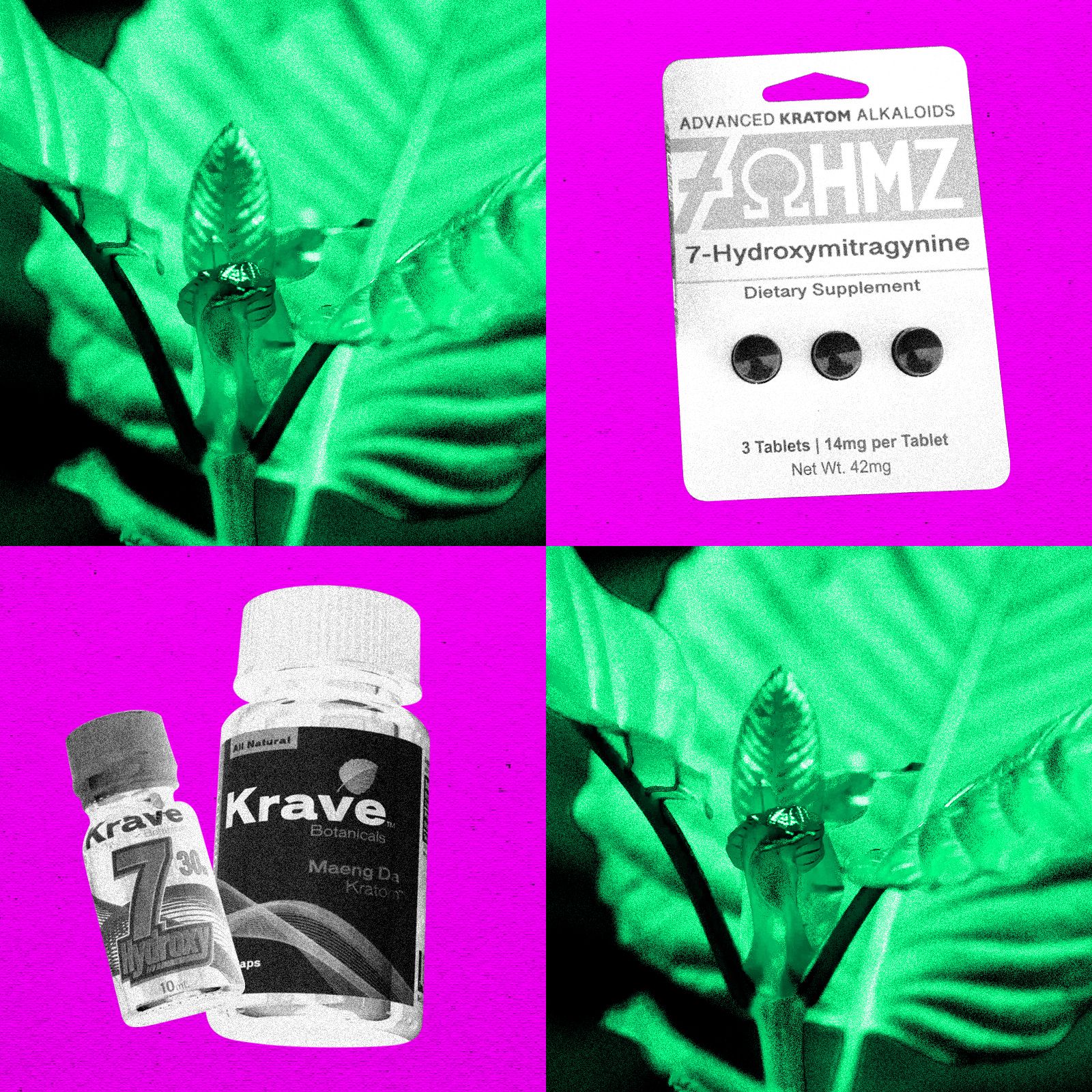
"body_html": "<p>In a decisive step that could reshape the kratom landscape, the Drug Enforcement Administration (DEA) has announced plans to temporarily classify 7‑hydroxy‑mitragynine (7‑OH), a key compound found in the tropical plant <em>Kratom</em>, as a Schedule I controlled substance. The agency’s draft notice, set to appear in the Federal Register next week, signals a crackdown on products that exceed a certain threshold of 7‑OH and could last for up to three years.</p>nn<h2>What Is Kratom and 7‑OH?</h2>n<p>Kratom, a leaf‑bearing plant native to Southeast Asia, has long been used for its stimulant and analgesic properties. In recent years, it has gained popularity in the United States as a natural remedy for pain, anxiety, and opioid withdrawal. However, the plant’s chemistry is complex, containing dozens of alkaloids that interact with the body’s opioid receptors.</p>n<p>7‑OH is one of the most potent of these alkaloids. It is known for its strong opioid‑like effects, which can produce significant analgesia and euphoria. Because of its potency, 7‑OH has become a focal point for regulators concerned about the potential for misuse and addiction.</p>nn<h2>DEA’s Temporary Scheduling Decision</h2>n<p>The DEA’s draft notice states that 7‑OH will be placed in Schedule I of the Controlled Substances Act, the same category that includes heroin and methamphetamine. The agency emphasizes that the compound “presents severe risks to public health, including tolerance, dependence and addiction.”</p>n<p>Under the proposed rule, any product containing 7‑OH above a specified threshold would be subject to the restrictions that apply to Schedule I substances. The ban would be in effect for two years, with the possibility of a third‑year extension if the agency deems it necessary.</p>n<p>Products that may be affected include:</p>n<ul>n<li>Gummies and candies sold in gas stations and convenience stores</li>n<li>Ready‑to‑drink beverages marketed as herbal supplements</li>n<li>Capsules and tablets available in smoke shops and online retailers</li>n</ul>nn<h2>Implications for the Kratom Industry</h2>n<p>The temporary scheduling is seen as a boon for mainstream kratom producers who have long advocated for tighter regulation of the more potent alkaloids. By targeting 7‑OH, the DEA is effectively removing a high‑risk component from the market, which could reduce the incidence of adverse events linked to kratom use.</p>n<p>Industry groups, such as the Kratom Association of America (MAHA), have welcomed the move. They argue that a clearer regulatory framework will help legitimate producers differentiate their products from those that pose higher health risks.</p>nn<h2>Consumer and Public Health Perspectives</h2>n<p>For
About the Author

Related Stories




Trending Now
- Handwritten Letters Return as Bhartiya Mall of Bengaluru Hosts Stamps & Stories Festival – Prittle Prattle News
- खामेनेई की अंतिम सलामी से ठीक पहले ईरान ने दी जंग की धमकी! तेहरान बोला- शांति समझौते का नहीं…
- Women’s T20 World Cup Final: 17 साल बाद इतिहास दोहराने उतरेगा इंग्लैंड, सातवें खिताब पर ऑस्ट्रेलिया की नजर
- बंगालः ऋतब्रत गुट का टीएमसी मुख्यालय पर कब्जा, पार्टी की राजनीतिक पहचान पर दावे की लड़ाई हुई तेज
- India Enhances Air Travel Links with New Direct Flight to Noida