Updated 8 जुलाई 2026 4:01 अपराह्न
Empowering Disabled Prisoners Through Self-Identification
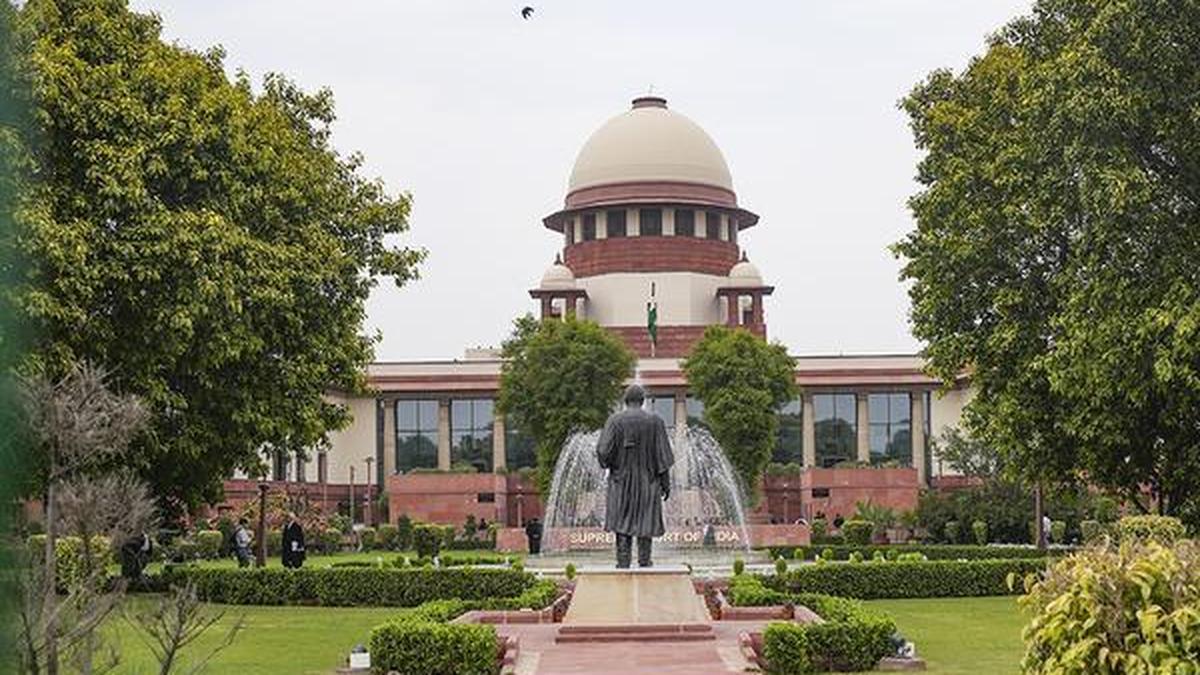
In a bid to uphold the rights of disabled prisoners, activists have approached a Supreme Court monitoring panel, advocating for a mechanism that allows inmates to self-identify their disabilities. This initiative aims to ensure reasonable adjustments in prison settings while safeguarding their confidentiality.
The recommendation comes from a Kerala-based activist whose earlier petition highlighted the harsh conditions faced by disabled detainees, including the cases of late Professor G. Saibaba and Stan Swamy. Their plight led to the formation of a high-powered committee to reform Indian prisons.
- Legal Framework: The call aligns with Section 7 of the Rights of Persons with Disabilities (RPwD) Act, 2016, which mandates reasonable accommodations for persons with disabilities.
- Court Observation: In April, a Supreme Court bench led by Justice Vikram Nath emphasized that the rights of prisoners with disabilities must be recognized in a humane, rights-based manner.
Why Self-Identification Matters
Currently, many prisons lack systematic processes to identify disabilities, often leading to neglect or misuse of personal information. Allowing self-identification empowers inmates to control their narrative and access tailored support without stigma.
This step is critical as it bridges the gap between legal entitlements and practical implementation. It ensures that adjustments—like accessible cells or specialized healthcare—are made without compromising the privacy of the inmates.
Challenges in Current Prison Systems
Prison authorities often rely on external assessments, which can be invasive or inaccurate. This not only violates the dignity of disabled prisoners but also delays or denies them essential services.
The activist’s submission underscores that individualized identification is key to creating inclusive environments. It also highlights the need for training prison staff to handle such cases sensitively.
Implications for Reform
Implementing self-identification could set a precedent for humane prison reforms, aligning India’s practices with international disability rights standards. It reflects a shift from custodial control to a rehabilitative approach.
The Supreme Court’s panel is now poised to review these recommendations, potentially shaping policies that prioritize dignity and justice for one of the most marginalized groups in the prison system.
लेखक के बारे में

Related Stories

India, Japan sign pacts on AI, metals and energy after Modi-Takaichi talks – Reuters

Petrol-Diesel Price Cut Soon As Brent Crude Slips To Pre-War Levels? Petroleum Minister Responds – News18

World’s first synthetic cell with a complete life cycle – Tech Explorist

Kerala Governor gives assent to Seshadrinathan’s appointment as State Election Commissioner
अब फैशन में है
- Handwritten Letters Return as Bhartiya Mall of Bengaluru Hosts Stamps & Stories Festival – Prittle Prattle News
- खामेनेई की अंतिम सलामी से ठीक पहले ईरान ने दी जंग की धमकी! तेहरान बोला- शांति समझौते का नहीं…
- West Bengal: TMC नेता शौकत मोल्ला के बेटे के कैफे पर बुलडोजर एक्शन, सरकारी जमीन पर अतिक्रमण का आरोप
- ‘गाजा पर चुप्पी समझ से परे’: सोनिया गांधी ने सरकार को घेरा, बोलीं- भारत अपने पुराने सहयोगियो…
- 'विधायक जी दया करो, हमारा मकान बनवा दो', 5 साल के मासूम की गुहार