Updated 18 June 2026 10:33 AM
Fed’s Decision Looms Large
This week’s Federal Reserve policy meeting is drawing intense scrutiny from traders, analysts and policymakers. The consensus view, shaped by recent inflation data and shifting geopolitical currents, points to a pause in rate adjustments. Instead of raising borrowing costs, the Fed is widely anticipated to keep its benchmark rate unchanged, marking a strategic breather after a series of hikes aimed at curbing price pressures.
Why a Pause Matters
A steady rate stance signals that the Fed believes inflation is moderating enough to allow a temporary pause. It also reflects a delicate balancing act: the need to support economic growth without reigniting price spikes. For households, a pause means mortgage and loan rates may stabilize, offering some relief after months of climbing costs. For businesses, it provides a clearer backdrop for planning investments and hiring.
Rate Hike Talks Heat Up
Even as the Fed holds steady, the conversation about future tightening is intensifying. Several Fed governors have hinted that additional hikes could be on the table if inflation data rebounds. This mixed messaging creates a volatile environment for markets, as investors weigh the likelihood of further policy moves against the current pause. The uncertainty is amplified by global developments, particularly a newly negotiated US‑Iran agreement that could reshape energy markets and trade flows.
The US‑Iran Deal: A Game‑Changer?
The recent diplomatic breakthrough between the United States and Iran has sent ripples through financial markets. Analysts suggest the agreement could lead to increased oil supply, potentially easing price pressures that have kept the Fed under pressure to hike rates. At the same time, the prospect of reduced geopolitical risk may boost investor confidence, prompting a reassessment of risk assets across emerging and developed markets.
Enter Kevin Warsh: The New Fed Chairman’s First Test
Central to this meeting is the debut performance of Kevin Warsh, who has stepped into the role of Fed Chairman. Warsh’s early statements indicate a desire to streamline communication, moving away from exhaustive explanations of every policy decision. This approach could reshape how markets interpret Fed actions, emphasizing clarity over detail.
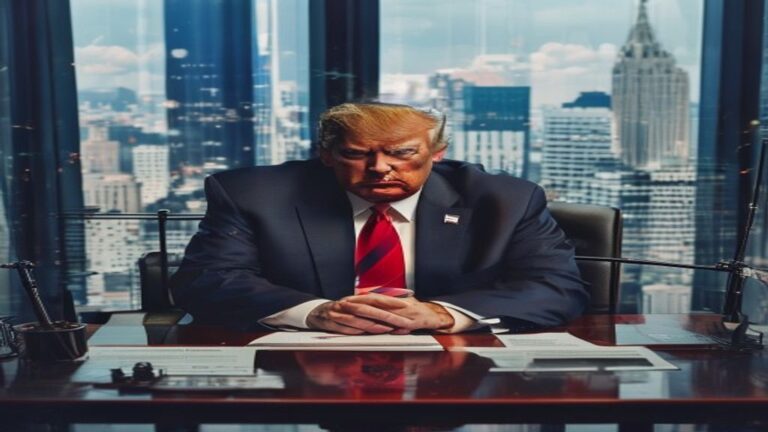
Warsh’s relationship with former President Trump adds another layer of intrigue. Reports suggest Trump trusts Warsh’s judgment, a dynamic that could influence the Fed’s stance on regulatory matters and broader economic policy. While the Fed is designed to be independent, the perception of political alignment can affect market sentiment and the credibility of monetary decisions.
Market Implications of a Steady Rate
Investors are already positioning portfolios in anticipation of a pause. Bond yields have edged lower, reflecting reduced expectations for immediate rate hikes. Equity markets, however, remain volatile, as participants parse the Fed’s signals for future direction. The interplay of a steady rate and the Iran deal could create a short‑term rally in sectors sensitive to energy prices, such as aviation and logistics.
Global Repercussions
Beyond US borders, the Fed’s pause resonates strongly. Emerging economies that rely on dollar‑denominated debt may see relief as the dollar’s strength stabilizes. Conversely, countries heavily dependent on oil imports could benefit from a potential dip in crude prices following the Iran agreement. Central banks in Europe and Asia are also watching closely, calibrating their own policy paths in response to the Fed’s actions.
What to Watch After the Announcement
- Inflation Data Releases: Upcoming CPI and PCE figures will be critical in shaping expectations for future hikes.
- Warsh’s Press Conference: His first formal briefing will be dissected for clues on the Fed’s inflation strategy.
- Energy Market Movements: Oil price reactions to the Iran deal could influence inflation trajectories.
- Currency Fluctuations: The dollar’s response will impact global capital flows and debt servicing costs.
Implications for Consumers and Businesses
For everyday consumers, a steady Fed rate means that credit‑card and auto‑loan rates may plateau, offering a reprieve from rising borrowing costs. Savings accounts and fixed‑income products could see modest improvements as banks adjust to a flatter rate environment.
Businesses, especially those with large debt loads, may find it easier to refinance existing loans at more favorable rates. At the same time, the uncertainty surrounding future policy could lead to a cautious approach to major capital expenditures, as firms wait for clearer signals from the Fed and the broader economic landscape.
Looking Ahead
The Fed’s decision to hold rates steady is not an endpoint but a pivot point. Markets will continue to parse every statement, data release and geopolitical development for direction. Kevin Warsh’s emerging leadership style, combined with the unexpected dynamics of the US‑Iran agreement, sets the stage for a potentially transformative period in monetary policy.
As investors, policymakers and ordinary citizens monitor this week’s outcome, the key takeaway is clear: the Fed is navigating a complex web of inflation concerns, geopolitical shifts, and political expectations. Whether the pause becomes a lasting trend or a brief intermission will depend on how these forces evolve in the months ahead.
About the Author

Related Stories



Trending Now
- Aaj Ka Rashifal: इन चार राशि वालों को मिलेगा भाग्य का साथ और नौकरी में करेंगे तरक्की, पढ़ें 12 राशियों का हाल
- अयोध्या राम मंदिर चढ़ावा मामला: जून महीने की शुरुआत से आख़िर तक क्या-क्या हुआ?…
- Indian tech tycoon bets $30M of his own money to build AI alternative to Microsoft Office
- FIFA World Cup Biggest Upset: पराग्वे की जर्मनी पर जीत कितनी बड़ी? विश्वकप नॉकआउट इतिहास के …
- गुजरात में 4 मॉनसून सिस्टम एक्टिव, अगले 24 घंटे इन इलाकों पर भारी