


China Criticises India’s Formal Naming of 27 Arunachal Pradesh Sites
August 25, 2026 | by Vikram Chauhan
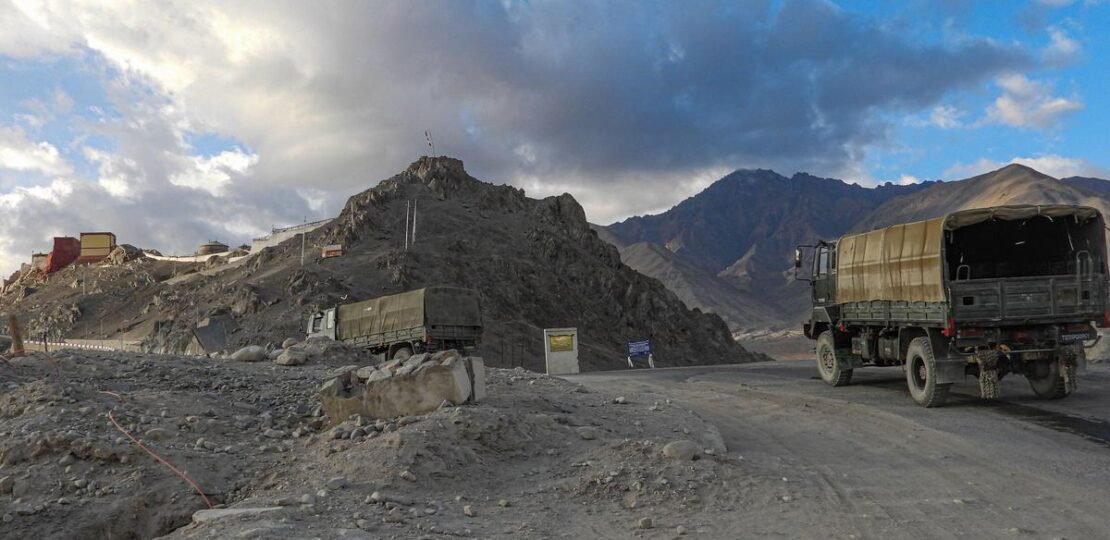
In a rare public rebuke, Chinese state media on Monday denounced India’s recent move to formally assign names to 27 places in the contested Arunachal Pradesh region. The criticism came as New Delhi announced the names in a ceremony that officials said would solidify administrative control and honour local heritage.
Beijing’s reaction was swift, with the outlets urging India to refrain from turning a bilateral border issue into a broader confrontation that could derail the tentative thaw in relations.
Details
India’s Ministry of Home Affairs released a list of 27 villages, rivers and mountain passes in Arunachal Pradesh, a state claimed by China as part of its Tibet Autonomous Region. The naming exercise is part of a larger effort by New Delhi to integrate the area more fully into its administrative framework.
- 27 locations officially named, covering villages, water bodies and passes.
- Names announced by senior officials in Arunachal Pradesh’s capital, Itanagar.
- Chinese state media described the step as “unilateral” and “potentially harmful” to bilateral ties.
- Beijing warned that such actions could “stifle the improving political ties” between the two countries.
Quotes
Chinese state media quoted an unnamed spokesperson saying, “India should avoid turning the border issue into a larger dispute. Unilateral moves like naming places in Arunachal Pradesh only serve to complicate the path to stable relations.”
In response, an Indian government official, who preferred not to be named, asserted that the naming was a routine administrative measure aimed at “recognising the cultural identity of the local communities.”
Background
The border between India and China in the Himalayas has been a flashpoint since the 1962 war, with both sides maintaining overlapping claims. Arunachal Pradesh, administered by India since 1914, is claimed by China under the name “South Tibet.” Over the past few years, diplomatic engagements, high‑level visits and trade talks have hinted at a possible easing of tensions, though core territorial disagreements remain unresolved.
India’s recent push to formalise place names follows a pattern of asserting sovereignty through cartographic and administrative measures, a strategy Beijing views with suspicion. Earlier this year, India upgraded infrastructure along the Line of Actual Control, prompting similar concerns from Chinese officials.
Conclusion
The naming of the 27 sites is unlikely to alter the on‑ground realities of the border dispute, but it adds another layer of symbolic contestation. As both capitals navigate a delicate diplomatic dance, the episode underscores how even seemingly bureaucratic actions can ripple through broader geopolitical calculations. Observers say the next steps will hinge on whether either side chooses dialogue over rhetoric, and whether confidence‑building measures can survive the latest bout of naming‑related friction.

RELATED POSTS
View all


BJP ने Sonia Gandhi पर Vande Mataram रोकने का लगाया आरोप, कांग्रेस ने किया खंडन…
August 16, 2026 | by Vanshika

Millions Gather to Watch Spain’s 1st Total Solar Eclipse in Over a Century
August 13, 2026 | by Kenji Tanaka
Karnataka Bandh Unlikely to Disrupt Normal Life as Most Organisations Extend Only Moral Support
August 13, 2026 | by Kenji Tanaka