


Maharashtra Government Restricts Tribal Students’ Right to Protest
August 16, 2026 | by Aaditya Raj
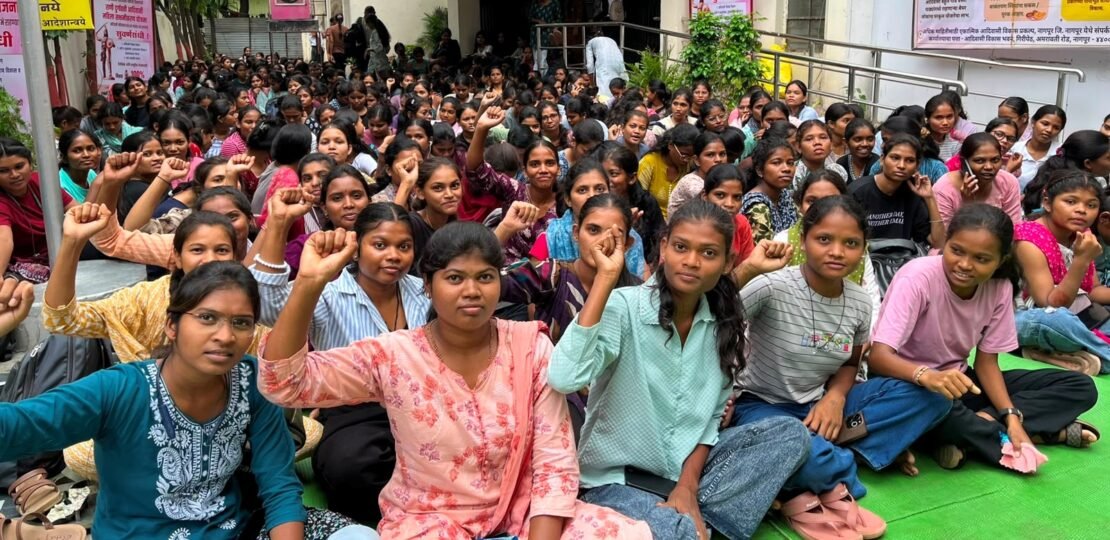
In a move that has ignited fierce protests across the state, the Maharashtra government has barred tribal students living in government hostels from participating in hunger strikes and protest marches. The order, issued on August 5, also introduced a 26-year age limit for hostel admission, further fueling the discontent among the students.
The decision has been met with widespread criticism and resistance from the Scheduled Tribe (ST) students, who argue that the restrictions infringe upon their fundamental right to freedom of expression and peaceful assembly. As the protests gain momentum, the state government is facing mounting pressure to reconsider its stance.
Details
The order, which applies to all government hostels for ST students in Maharashtra, has been seen as an attempt to curb the growing dissent among the tribal community. The students, who have been protesting against various issues including inadequate facilities and discrimination, feel that the government is trying to silence them. Key points of the order include:
- Restriction on hunger strikes and protest marches by ST hostel students
- Introduction of a 26-year age limit for hostel admission
- Protests have erupted across Maharashtra, with ST students demanding the withdrawal of the order
Quotes
While the government has not officially commented on the matter, sources close to the administration have stated that the order was intended to maintain discipline and order within the hostels. However, student leaders have vehemently opposed the move, arguing that it is an attack on their democratic rights.
Background
The tribal community in Maharashtra has long faced various challenges, including inadequate access to education and healthcare. The government hostels, which provide accommodation and other facilities to ST students, have been a crucial support system for those pursuing higher education. However, the students have often complained about the poor conditions and discriminatory treatment within these hostels.
The recent order has brought to the fore the deep-seated grievances of the tribal community, who feel that their voices are being suppressed. As the protests continue, it remains to be seen how the government will respond to the growing unrest.
Conclusion
The Maharashtra government’s decision to restrict tribal students’ right to protest has sparked a major controversy, with far-reaching implications for the state’s tribal community. As the students continue to fight for their rights, it is essential for the government to engage in a dialogue and address the underlying issues that have led to the protests. The outcome of this standoff will not only determine the future of the tribal students but also reflect the government’s commitment to upholding democratic values and protecting the rights of its citizens.

RELATED POSTS
View all


The Odyssey Movie Review | (5/5 स्टार) 3000 साल पुराने महाकाव्य को पर्दे पर उतार Christopher…
August 21, 2026 | by Rajesh Singh
Bank of America Invests $1.9 Billion in Jio Financial Services
August 13, 2026 | by Rajesh Singh
Isso Chess Games Conclude in Ahmedabad With 400 Young Players
September 16, 2026 | by Vanshika