


Israel and Syria Commit to Preserve Security Status Quo Amid Airstrike Tensions
August 22, 2026 | by Priya Nair
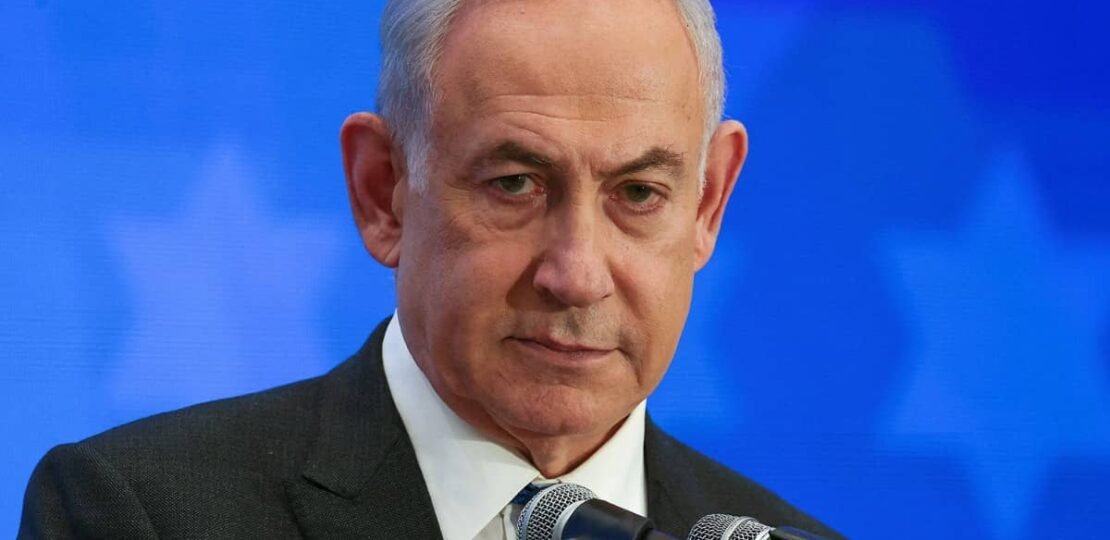
Israeli warplanes hit the Abu al-Duhur airbase in Syria on Tuesday, reigniting a fragile calm that has held between the two neighbours for months. Within hours, Prime Minister Benjamin Netanyahu announced that Jerusalem and Damascus had reached a tacit agreement to maintain the existing security status quo.
Details
The latest diplomatic note outlines a few concrete points that both sides appear committed to respecting:
- All existing security arrangements along the Israel‑Syria frontier will remain unchanged.
- Both governments will refrain from actions that could be interpreted as a breach of the understanding.
- Syria is reportedly close to allowing Turkish forces to station at an airbase near Aleppo, a move that could test the agreement.
- The United States has called the recent Israeli strike an “unnecessary escalation” and urged restraint.
Quotes
Netanyahu, speaking to his cabinet, said, “Israel and Syria have agreed to keep the status quo on security matters, and we will continue to monitor any developments that could threaten that balance.”
U.S. Special Presidential Envoy for Syria and Iraq Tom Barrack expressed concern, describing the airstrike as an “unnecessary escalation” that could destabilise an already volatile region.
Background
The Israel‑Syria frontier has been a flashpoint since the 1967 Six‑Day War, when Israel captured the strategically vital Golan Heights. Subsequent wars, ceasefires and United Nations peacekeeping missions have kept large‑scale hostilities at bay, but skirmishes and covert operations have persisted. In recent years, Damascus has leaned on allies such as Iran and Russia, while Israel has pursued a policy of pre‑emptive strikes against perceived Iranian‑linked targets inside Syrian territory.
Turkey’s growing military footprint in northern Syria, especially near Aleppo, adds another layer of complexity. Ankara’s involvement is driven by its own security concerns and a desire to shape post‑conflict arrangements, but it also risks drawing Damascus into a broader confrontation.
Conclusion
The reaffirmed status‑quo signals a mutual desire to avoid a broader clash, yet the proximity of Turkish troops and the recent airstrike underscore how easily the balance could tip. Washington’s warning highlights the international community’s stake in preventing a spiral of retaliation.
Observers say the coming weeks will test the durability of the agreement. Any further Israeli operations or Syrian concessions to Turkey could prompt a diplomatic reset, while sustained restraint might pave the way for more structured talks on de‑escalation in the volatile Levant.

RELATED POSTS
View all



FIFA World Cup | Lionel Messi का महारिकॉर्ड! विश्व कप इतिहास में दागा 20वां गोल, पहली बार ‘ग…
August 21, 2026 | by Aaditya Raj

Verity Trailer: खौफनाक रहस्यों से भरी है Dakota Johnson और Anne Hathaway की फिल्म की कहानी…
August 21, 2026 | by Priya Nair