


India Begins Pilot of Polymer ₹10 and ₹20 Notes: What It Means for Citizens and the Economy
July 31, 2026 | by Bossprp
Tags: India, RBI, Polymer Notes, Plastic Currency, Indian Rupee, Currency Update, Banking News, Economy, Finance, Cash Management, Currency Printing, Indian Economy, RBI News, Financial News, Currency Modernization
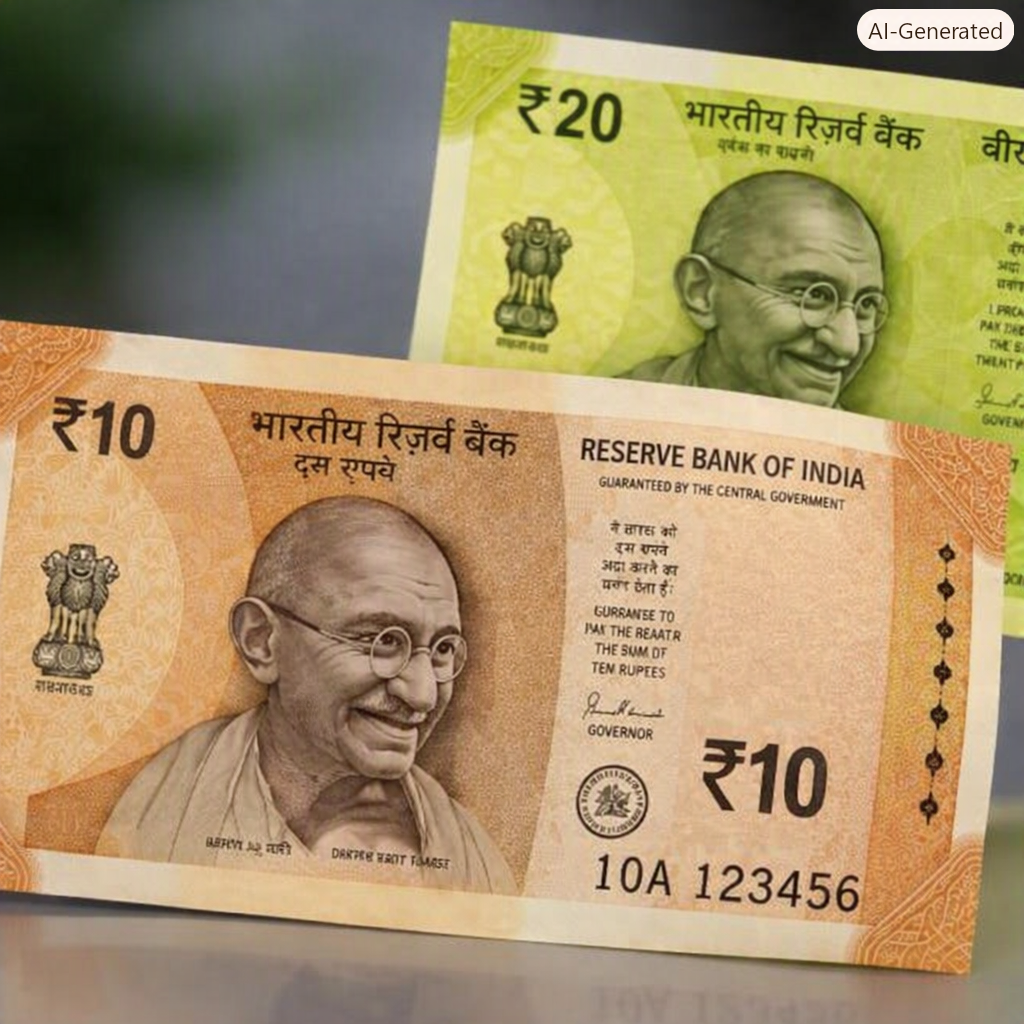
The Government of India has approved a pilot project for introducing polymer-based ₹10 and ₹20 currency notes. The initiative marks an important step in modernizing India’s currency management system and reducing the long-term costs associated with replacing damaged banknotes.
What’s Changing?
As part of the pilot program:
- 100 crore polymer ₹10 notes will be printed.
- 100 crore polymer ₹20 notes will also be printed.
- A total of 200 crore polymer notes worth approximately ₹3,000 crore will enter circulation during the trial.
The pilot aims to evaluate the durability, public acceptance, and operational feasibility of polymer banknotes in India.
Why Polymer Notes?
Unlike conventional paper currency made from cotton-based substrates, polymer notes are manufactured using a specially designed plastic film.
Some of their key advantages include:
- Last 2.5 to 4 times longer than traditional paper notes.
- Better resistance to water, dirt, moisture, and tearing.
- Reduced damage from frequent handling.
- Improved security features that are harder to counterfeit.
- Lower replacement frequency, leading to long-term cost savings.
Reducing Currency Replacement Costs
India reportedly spends nearly ₹5,000 crore every year replacing worn-out and damaged currency notes.
Since lower denomination notes such as ₹10 and ₹20 circulate extensively in daily transactions, they wear out much faster. If polymer notes perform as expected, they could significantly reduce the recurring expenditure on printing replacement notes.
Will Existing Notes Become Invalid?
No.
The pilot does not affect the legal status of existing paper currency.
Both paper and polymer versions of ₹10 and ₹20 notes will remain legal tender and circulate together during the trial period. Citizens can continue using their existing notes without any concern.
What Happens Next?
The pilot will help authorities assess:
- Durability under Indian climatic conditions.
- Public acceptance and usability.
- Printing and distribution efficiency.
- Cost-effectiveness over the note’s lifecycle.
- Compatibility with ATMs, cash handling machines, and banking infrastructure.
Based on the findings, policymakers may decide whether to expand polymer notes to additional denominations in the future.
Global Perspective
Many countries, including Australia, Canada, the United Kingdom, New Zealand, Singapore, and several others, already use polymer banknotes because of their enhanced durability and advanced security features.
India’s pilot aligns with a broader global trend toward longer-lasting and more secure currency.
What This Means for You
For the average citizen, there is no immediate action required. Existing ₹10 and ₹20 paper notes will continue to be accepted everywhere.
If the pilot proves successful, people may gradually notice more polymer notes entering circulation over the coming years, offering cleaner, stronger, and longer-lasting currency for everyday use.
Final Thoughts
The introduction of polymer ₹10 and ₹20 notes represents a practical experiment focused on improving currency durability and reducing public expenditure on note replacement. While the pilot is limited in scope, its outcome could influence the future design of Indian currency and contribute to a more efficient cash management system.
Parashar for NewzQuest
RELATED POSTS
View all

‘only 8.25% Graduates Work in Jobs Matching Their Qualifications’: Niti Aayog
August 27, 2026 | by Anita Sharma

Maharashtra RTO ने 1499 Auto Taxi चालकों को जारी किया नोटिस, मराठी न जानने पर कार्रवाई…
August 24, 2026 | by David Chen

Bird Hit Cancels Pune-bound Flight; Passenger Trouble at Amritsar Airport
August 22, 2026 | by Phalguni