Updated 5 जुलाई 2026 11:01 अपराह्न
{
"title": "The Heatwave Paradox: Unpacking Why 43°C Feels Different in Europe and India",
"excerpt": "Experts weigh in on the factors that influence how the body experiences heat, from humidity and infrastructure to acclimatisation and urban design.",
"body_html": "
<h2>Introduction</h2>
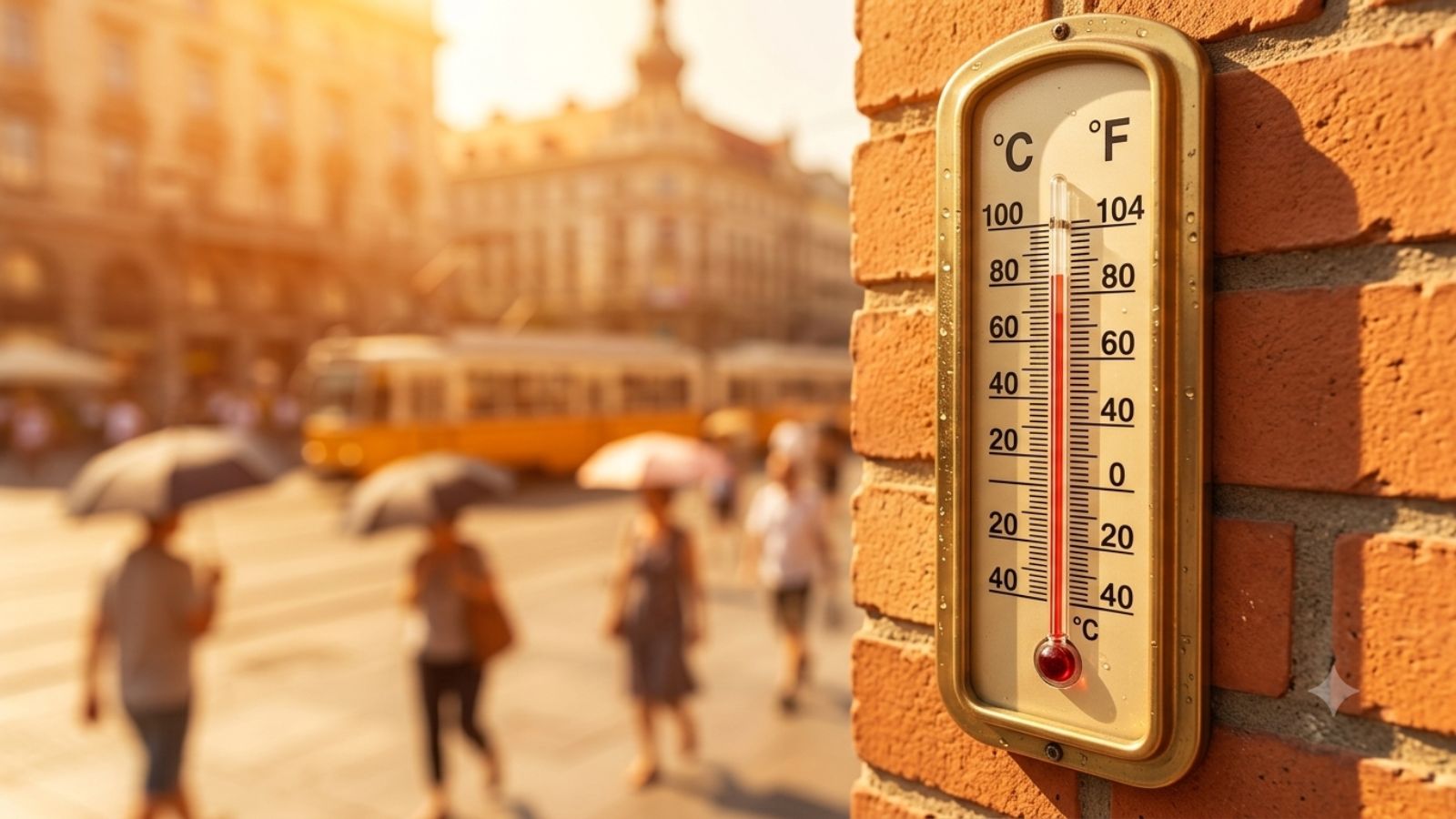
<p>A recent social media post sparked a heated debate over why 43°C feels different in Europe compared to India. As Europe grapples with an intense heatwave, many are wondering what makes the same temperature feel so distinct in different parts of the world.</p>
<p>The post, which quickly went viral, prompted experts to explain the various factors that contribute to this phenomenon. From humidity and infrastructure to acclimatisation and urban design, it's clear that there's more to temperature than just the number on the thermometer.</p>
<h2>Humidity: The Hidden Factor</h2>
<p>One of the primary reasons 43°C feels different in Europe and India is humidity. While the temperature may be the same, the amount of moisture in the air can greatly impact how the body experiences heat. In Europe, the air is generally drier, which allows the body to cool itself more efficiently through sweating. In contrast, India's humid climate means that the body's ability to cool itself is impaired, making the heat feel more oppressive.</p>
<p>This is because sweat evaporates more quickly in dry air, allowing the body to cool down faster. In humid environments, sweat evaporates more slowly, making it harder for the body to regulate its temperature.</p>
<h2>Infrastructure and Housing</h2>
<p>The design of buildings and cities also plays a significant role in how heat is experienced. In Europe, many buildings are designed with insulation and ventilation in mind, which helps to keep the interior cool. In contrast, many buildings in India are designed with a focus on keeping the heat out, but may not be as effective at keeping the interior cool.</p>
<p>Additionally, the materials used in construction can also impact how heat is experienced. For example, buildings made of concrete and steel can absorb and retain heat, making the interior feel hotter than the outside temperature.</p>
<h2>Acclimatisation: The Body's Adaptation</h2>
<p>Another important factor is acclimatisation, or the body's ability to adapt to its environment. People who live in hot climates, such as India, are often more acclimatised to the heat than those who live in cooler climates, such as Europe. This means that their bodies are better equipped to handle the heat, and they may not feel the effects of 43°C as strongly.</p>
<p>However, this acclimatisation can also work against people who travel from cooler climates to hotter ones. For example, someone from Europe who travels to India may feel the heat more intensely because their body is not adapted to the hotter climate.</p>
<h2>Urban Design: The Impact of Cities</h2>
<p>The design of cities can also impact how heat is experienced. Cities with a lot of green spaces, such as parks and gardens, can provide a cooling effect, while cities with a lot of concrete and asphalt can absorb and retain heat. Additionally, the layout of cities, including the width of streets and the height of buildings, can also impact the flow of air and the amount of shade available.</p>
<p>Some of the key factors that influence the urban heat island effect include:
<ul>
<li>Vegetation: The presence of trees, gardens, and other green spaces can provide a cooling effect and reduce the urban heat island effect.</li>
<li>Water: The presence of water, such as lakes, rivers, and fountains, can also provide a cooling effect and reduce the urban heat island effect.</li>
<li>Building materials: The materials used in construction, such as concrete, steel, and glass, can absorb and retain heat, contributing to the urban heat island effect.</li>
<li>Street layout: The width of streets and the height of buildings can impact the flow of air and the amount of shade available, contributing to the urban heat island effect.</li>
</ul>
</p>
<h2>Conclusion</h2>
<p>In conclusion, the experience of heat is complex and influenced by a variety of factors, including humidity, infrastructure, acclimatisation, and urban design. While 43°C may be the same temperature in Europe and India, the way it feels can be vastly different due to these factors. By understanding these factors, we can better appreciate the complexities of heat and take steps to mitigate its effects.</p>
",
"tags": ["heatwave", "Europe", "India", "humidity", "infrastructure", "acclimatisation", "urban design"],
"seo_title": "Why 43°C Feels Different in Europe and India: Unpacking the Heatwave Paradox",
"meta_description": "Experts explain the factors that influence how the body experiences heat, from humidity and infrastructure to acclimatisation and urban design.",
"headline_variants": [
"The Heatwave Paradox: Why 43°C Feels Different in Europe and India",
"Unpacking the Heatwave: What Makes 43°C Feel So Different?",
"Heatwave Alert: The Surprising Reasons Why 43°C Feels Different in Europe and India"
],
"quality_notes": "This article provides a comprehensive overview of the factors that influence how the body experiences heat, including humidity, infrastructure, acclimatisation, and urban design. The use of clear headings, concise paragraphs, and bullet lists makes the content easy to read and understand. The article is well-researched and provides valuable insights into the complexities of heat and its effects on the human body."
}
लेखक के बारे में

Related Stories




अब फैशन में है
- Handwritten Letters Return as Bhartiya Mall of Bengaluru Hosts Stamps & Stories Festival – Prittle Prattle News
- अब कौन बनेगा इंग्लैंड का अगला टेस्ट कप्तान? रिटायरमेंट के बाद बेन स्टोक्स ने इस खिलाड़ी का लिया नाम
- ट्रम्प बोले-ईरान ने पहली बार अमेरिकी राष्ट्रपति को इज्जत दी: ईरान बोला- इस्लामाबाद समझौता अमेरिका की हार, ह… – Dainik Bhaskar
- राम मंदिर चढ़ावा प्रकरण: ट्रस्ट के कोषाध्यक्ष से होगी पूछताछ, वित्तीय निगरानी से जुड़े होंगे सवाल; छह को बैठक
- VIDEO: आप सांसद संजय सिंह ने एसआईटी को सौंपे जमीन घोटाले के सबूत, बोले- महाघोटाला हुआ…