Updated 1 जुलाई 2026 10:02 पूर्वाह्न
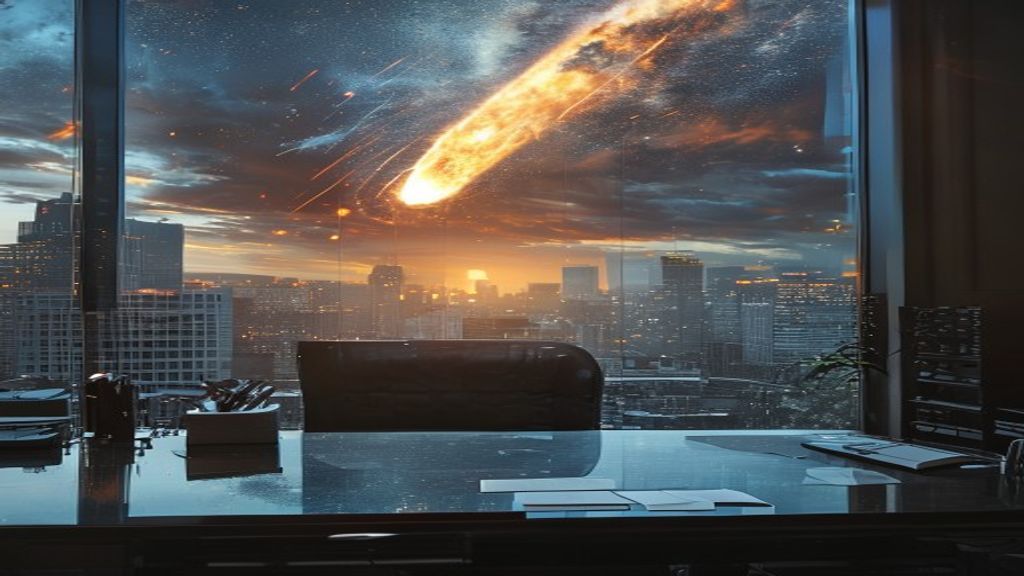
{"title":"June Bootids Meteor Shower 2026: What to Expect and How to Watch","excerpt":"The Bootids meteor shower, known for its unpredictable displays, peaks between 27 June and 3 July 2026. While no outburst is forecast, enthusiasts can still enjoy a modest show with the right preparation. Learn the science behind the shower, the best viewing times, and practical tips to catch the fleeting sparks in the night sky.","body_html":"<p>As summer settles over the Northern Hemisphere, sky‑watchers are already turning their attention to the Bootids meteor shower. According to the International Meteor Organization (IMO), the Bootids will reach their peak activity from 27 June to 3 July 2026. The event is renowned for its unpredictable nature – in some years it produces only a handful of meteors, while in rare occasions, like 1998, it has dazzled observers with dozens of streaks per hour.</p>n<h2>Why the Bootids Are a Mystery</h2>n<p>The Bootids are a minor meteor shower that originates from the debris trail of the comet 209P/LINEAR. Unlike the well‑known Perseids or Geminids, the Bootids’ activity is highly variable. The International Meteor Organization’s latest outlook confirms that no significant outburst is expected for 2026, meaning the shower will likely remain modest. Nevertheless, the potential for a surprise display keeps enthusiasts on their toes.</p>n<h2>What the IMO Forecasts</h2>n<ul>n<li>Peak period: 27 June – 3 July 2026</li>n<li>Expected maximum rate: <em>not specified</em> (no outburst forecast)</li>n<li>Best viewing window: 10 pm to 2 am local time, when the radiant is highest in the sky</li>n<li>Radiant location: near the constellation Bootes, rising in the east and moving toward the north‑east</li>n</ul>n<p>While the official forecast does not provide a specific hourly rate, the IMO recommends keeping an eye on the sky during the peak window. Even a handful of meteors can be a memorable experience if you’re in the right place at the right time.</p>n<h2>How to Maximise Your Chances</h2>n<p>Even without an outburst, careful planning can help you catch the Bootids. Here’s a practical checklist:</p>n<ul>n<li><strong>Choose a dark location.</strong> Light pollution washes out faint meteors. Rural areas or dedicated dark‑sky parks are ideal.</li>n<li><strong>Check the moon phase.</strong> A waxing or waning gibbous moon can outshine faint meteors. Aim for a new moon or a thin crescent.</li>n<li><strong>Dress warmly.</strong> Temperatures can drop below 10 °C (50 °F) after midnight.</li>n<li><strong>Use a wide‑angle lens or naked eye.</strong> The Bootids’ radiant covers a broad area; a wide field of view increases your chances.</li>n<li><strong>Set a timer.</strong> Give your eyes a few minutes to adjust to the darkness before you start counting.</li>n</ul>n<p>For those who prefer a more structured approach, the <em>Space</em> and <em>Time Magazine</em> articles provide detailed guidance on how to observe the Bootids, including recommended viewing times and how to identify the radiant.</p>n<h2>Historical Context: The 1998 Outburst</h2>n<p>In 1998, the Bootids surprised the astronomical community by producing an impressive burst of meteors, with rates reaching dozens per hour. That year’s outburst was attributed to a particularly dense segment of the comet’s debris trail intersecting Earth’s orbit. Such events are rare, and the 2026 forecast suggests that the Earth will pass through a less concentrated portion of the trail.</p>n<h2>Scientific Significance</h2>n<p>Studying minor showers like the Bootids offers valuable insights into cometary activity and the distribution of interplanetary dust. Even a modest display can help astronomers refine models of the Earth’s interaction with meteoroid streams. For amateur astronomers, the Bootids provide an accessible opportunity to practice meteor counting and to contribute data to global networks.</p>n<h2>Where to Watch in India</h2>n<p>India’s diverse geography offers several prime spots for meteor watching:</p>n<ul>n<li><strong>Rajasthan’s Thar Desert.</strong> The low light pollution and
लेखक के बारे में

Related Stories




अब फैशन में है
- FIFA World Cup 2026: स्विट्जरलैंड और कनाडा अंतिम-32 में पहुंचे, बोस्निया ने जीत से जीवित रखीं नॉकआउट की उम्मीद
- 1 जुलाई से गांवों में बड़ा बदलाव: मोदी सरकार उतारेगी 100+ एरिया ऑफिसर, रोजगार गारंटी मिशन को लेकर आया प्लान
- ‘समझौता करना छोड़ो…’ सूट-साड़ी छोड़ बॉसी लुक में दिखीं सपना चौधरी, कहा- भाड़ में गया bare minimum…
- IND W vs BAN W: शेफाली के अर्धशतक से जीता भारत, सेमीफाइनल की उम्मीदें बरकरार; श्री चरणी ने रचा इतिहास
- क्या खामेनेई के आखिरी रस्म (अंतिम संस्कार) में शामिल होंगे PM मोदी? ईरान ने भेजा खास न्योता