Updated 4 July 2026 10:01 PM
{
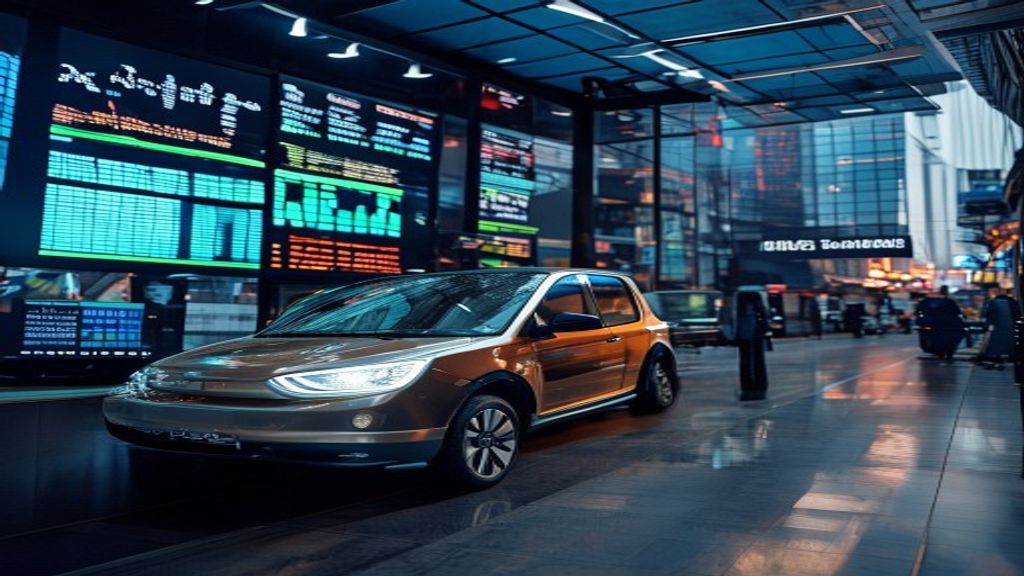
"title": "Delhi’s New EV Blueprint: Auto‑Only from 2027, E‑Two‑Wheelers from 2028",
"excerpt": "The Delhi cabinet has approved a sweeping electric‑vehicle policy that will phase out combustion‑engine autos by 2027 and e‑two‑wheelers by 2028. The plan includes tax breaks for cars under ₹30 lakh, a ₹15,000‑crore investment, and new rules for e‑rickshaws.",
"body_html": "<p>The capital’s green‑mobility agenda has taken a decisive step today. In a cabinet meeting held on Thursday, Delhi’s government gave the nod to a comprehensive electric‑vehicle (EV) policy that will reshape the city’s transport landscape over the next decade.</p>nn<h2>Key Highlights of the New Policy</h2>n<ul>n <li><strong>Phase‑out of Combustion Engines:</strong> All conventional autos will be banned from 2027. E‑two‑wheelers will follow suit in 2028.</li>n <li><strong>Tax Incentives:</strong> Electric cars priced below ₹30 lakh will enjoy exemption from road tax and registration fees.</li>n <li><strong>Capital Injection:</strong> The government plans to channel ₹15,000 crore into EV infrastructure and support schemes.</li>n <li><strong>Regulation of E‑Rickshaws:</strong> New guidelines will cap the number of e‑rickshaws and enforce mandatory registration.</li>n <li><strong>Benefits for E‑2 & E‑3 Wheelers:</strong> The policy promises significant subsidies and operational perks for these segments.</li>n</ul>nn<h2>Why the Timing Matters</h2>n<p>Delhi’s air‑quality crisis has reached critical levels, with particulate matter often exceeding national limits. By tightening the rules on internal‑combustion vehicles (ICVs), the city aims to curb emissions and improve public health. The staggered timeline—autos first, then two‑wheelers—allows manufacturers and consumers to adjust gradually.</p>nn<h2>Incentives that Could Spark a Surge</h2>n<p>Road‑tax and registration exemptions for cars under ₹30 lakh are expected to lower the effective purchase cost by up to 20%. For e‑two‑wheelers, the policy will introduce lower registration fees and a simplified approval process. These measures are designed to make EVs more affordable for the average Delhiite.</p>nn<h2>Investment Blueprint</h2>n<p>The ₹15,000‑crore allocation will be directed toward:</p>n<ul>n <li>Charging infrastructure: 5,000 new public chargers across the city.</li>n <li>Battery swapping stations: 200 units to support e‑rickshaws and e‑autos.</li>n <li>Skill development: Training 10,000 technicians in EV maintenance.</li>n <li>Research & development: Grants for local start‑ups working on battery technology.</li>n</ul>nn<h2>Impact on the E‑Rickshaw Sector</h2>n<p>E‑rickshaws have become a staple of Delhi’s last‑mile connectivity. The new cap on numbers and mandatory registration will help regulate the sector, reduce illegal operations, and ensure safety standards. While some operators fear increased compliance costs, the policy also offers subsidies for battery replacements and charging facilities.</p>nn<h2>Challenges Ahead</h2>n<p>Despite the policy’s ambitious goals, several hurdles remain:</p>n<ul>n <li><strong>Infrastructure Readiness:</strong> The current grid capacity may struggle to meet the surge in charging demand.</li>n <li><strong>Supply Chain Constraints:</strong> Availability of high‑capacity batteries could limit production of e‑autos and e‑two‑wheelers.</li>n <li><strong>Public Acceptance:</strong> Convincing commuters to switch from familiar ICVs to EVs will require sustained awareness campaigns.</li>n <li><strong>Financial Viability:</strong> The cost of EVs remains higher than conventional vehicles, even with incentives.</li>n</ul>nn<h2>What This Means for Delhi Residents</h2>n<p>For everyday commuters, the policy translates into cleaner air and lower running costs. New drivers can look forward to:</p>n<ul>n <li>Reduced fuel expenses: EVs consume electricity, which is cheaper than petrol or diesel.</li>n <li>Lower maintenance: Fewer moving parts mean fewer repairs.</li>n <li>Long‑term savings: Tax exemptions and lower insurance premiums for eligible vehicles.</li>n</ul>nn<h2>Industry Response</h2>n<p>Automakers have welcomed the policy, citing it as a catalyst for investment in EV production lines. Several manufacturers have already announced plans to launch new electric models in the next 18 months. Start‑ups focusing on battery technology and charging solutions are also poised
About the Author

Related Stories

2026 F1 Austrian Grand Prix

After historic 2-0 sweep against India Heinrich Malan steps down as Ireland head coach – Cricbuzz

RRB JE Admit Card 2026: आरआरबी जूनियर इंजीनियर सीबीटी-2 परीक्षा का एडमिट कार्ड जारी, ऐसे करें डाउनलोड – Hari Bhoomi
Varanasi News Today: वाराणसी में आज कैसा रहेगा मौसम? ‘वेजिटेबल सिटी’ की ओर बढ़ा बड़ा कदम, बुलेट ट्रेन समेत 29 जून की बड़ी खबरें यहां एक क्लिक में पढ़ें – LatestLY
Trending Now
- अब कौन बनेगा इंग्लैंड का अगला टेस्ट कप्तान? रिटायरमेंट के बाद बेन स्टोक्स ने इस खिलाड़ी का लिया नाम
- राजू हिरानी का खुलासा, भगवान राम और हनुमान से प्रेरित हैं मुन्नाभाई-सर्किट के रोल; तीसरे पार्ट पर दिया अपडेट
- बारिश के बाद कूलर बन जाता है आग का गोला? तुरंत अपनाएं ये ट्रिक्स
- राम मंदिर के चंदा चोर: किसी की 50 तो किसी की 100 गुना बढ़ी हैसियत, एसआईटी जांच में चढ़ावा गबन के पुख्ता सबूत
- आपातकाल: पीएम मोदी ने दोहराया संविधान के प्रति संकल्प, उपराष्ट्रपति बोले- सांविधानिक मूल्यों…