Updated 27 June 2026 9:01 AM
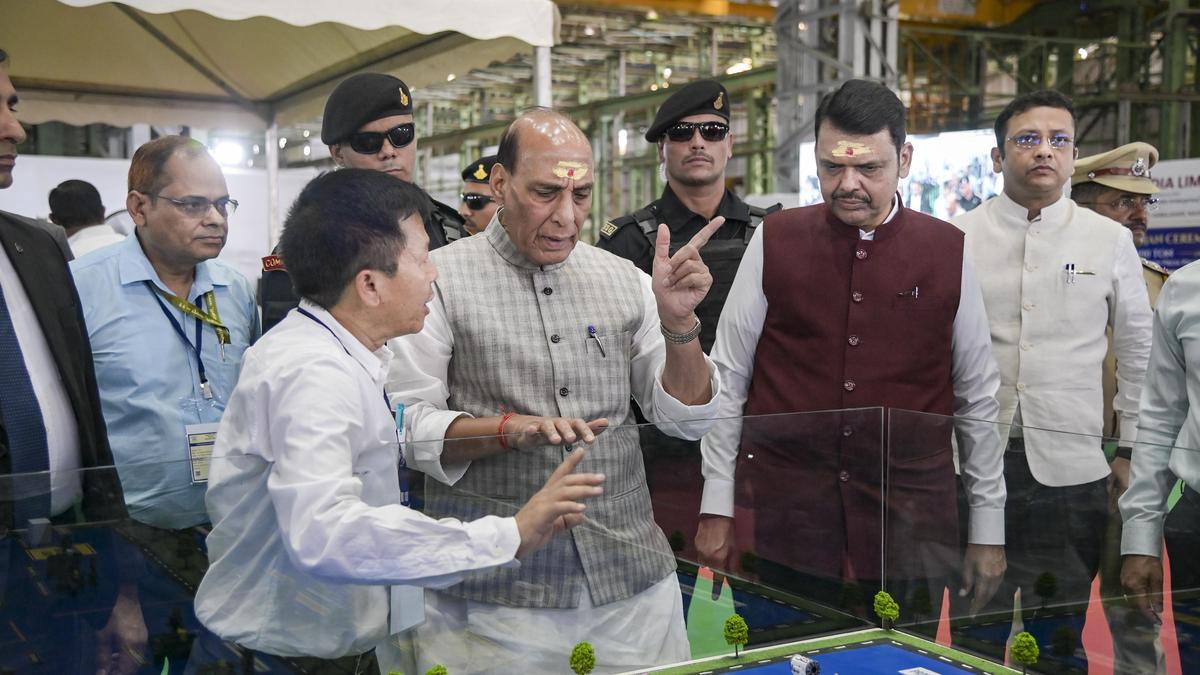
Defence Minister Rajnath Singh underscored the lasting significance of conventional warfare while addressing a gathering in Nagpur on June 19, 2026. He remarked that a nation capable of meeting its own requirements moves forward with the greatest confidence towards safeguarding its interests, a statement made as he laid the foundation stone for a state‑of‑the‑art 10,000‑tonne aluminium extrusion press at Ordnance Factory Ambajhari (OFA).
Conventional Warfare Remains a Cornerstone
Singh pointed out that the principles of conventional warfare that guided India’s defence thinking in 1947 continue to hold relevance in the current security environment. He stressed that modernisation efforts do not replace the need for robust conventional capabilities, which remain essential for deterrence and operational readiness.
Defence Production Growth: A Decade‑Long Surge
The minister highlighted a substantial increase in domestic defence output over the past ten years. According to the figures he cited:
- Defence production stood at ₹46,000 crore in 2014.
- By 2025‑26, it had risen to more than ₹1,78,000 crore.
This jump reflects expanded manufacturing capacity across ordnance factories, public sector undertakings, and private industry, contributing to greater self‑reliance in defence equipment.
Nagpur Project: 10,000‑Tonne Aluminium Extrusion Press
The facility being launched at Yantra India Limited’s Ordnance Factory in Ambajhari will be capable of extruding aluminium components weighing up to 10,000 tonnes. Such a press is expected to support the production of structural parts for vehicles, aircraft, and naval platforms, reducing dependence on imported forgings and castings.
Maharashtra Chief Minister Devendra Fadnavis attended the ceremony, underscoring the state’s role in advancing defence industrial infrastructure. The project aligns with broader policy goals to enhance indigenous manufacturing and strengthen the supply chain for critical defence materials.
Implications for National Security
By linking the enduring relevance of conventional warfare with tangible growth in defence production, Singh framed the narrative that a strong industrial base directly bolsters a nation’s ability to protect its sovereignty. The aluminium extrusion press, as a high‑capacity asset, exemplifies how targeted investments in heavy manufacturing can translate into strategic advantages on the ground.
Looking ahead, the minister indicated that continued focus on scaling up domestic capabilities, modernising existing facilities, and fostering collaboration between the armed forces and industry will remain priorities for the Ministry of Defence.
About the Author

Related Stories

Relativity Space wins Nasa Mars contract under Eric Schmidt’s leadership

Why have Humans been created in this Universe? – Garhwal Post

Kerala’s Revised Budget 2026‑27 Unveils ‘New Kerala’ Vision Amid Fiscal Challenges

SC flags ‘brain drain’ in legal profession, directs creation of fund for young lawyers
Trending Now
- ‘समझौता करना छोड़ो…’ सूट-साड़ी छोड़ बॉसी लुक में दिखीं सपना चौधरी, कहा- भाड़ में गया bare minimum…
- केतन हत्याकांड: राजा रघुवंशी के परिजनों ने कहा- सोनम की जल्दी जमानत हो गई, इसलिए बढ़ी सिया की हिम्मत
- IND W vs BAN W: शेफाली के अर्धशतक से जीता भारत, सेमीफाइनल की उम्मीदें बरकरार; श्री चरणी ने रचा इतिहास
- क्या खामेनेई के आखिरी रस्म (अंतिम संस्कार) में शामिल होंगे PM मोदी? ईरान ने भेजा खास न्योता
- 1 जुलाई से गांवों में बड़ा बदलाव: मोदी सरकार उतारेगी 100+ एरिया ऑफिसर, रोजगार गारंटी मिशन को लेकर आया प्लान