Updated 15 June 2026 9:32 AM
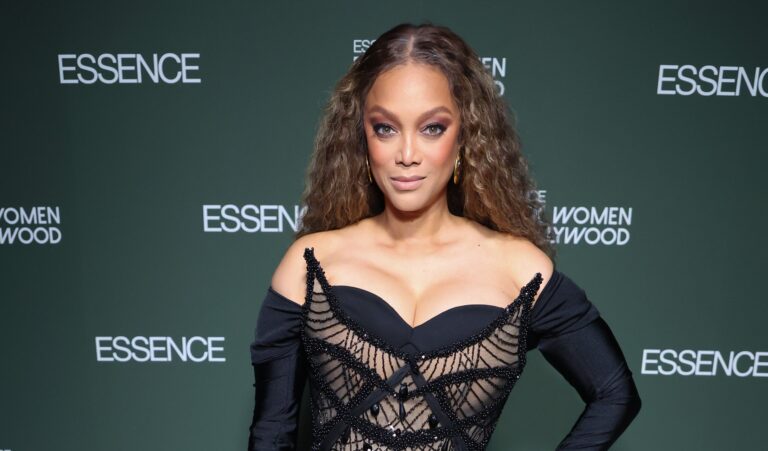
Tycoon of runway reality TV, Tyra Banks, has taken legal action against Netflix, claiming that the streaming giant reshaped her testimony in a recent America’s Next Top Model documentary to fit a damaging storyline.
The Legal Claim
The complaint, lodged in a California court, names Netflix, its production partners 89 Blocks Holdings and EverWonder Studio, as well as co‑directors Mor Loushy and Daniel Sivan, as defendants. Banks accuses them of false light, defamation by implication, breach of contract and unauthorised use of her endorsement. According to the filing, she participated in a three‑and‑a‑half‑hour interview titled “Reality Check: Inside America’s Next Top Model,” only to see the footage trimmed to roughly sixteen minutes. The trimmed segments, the lawsuit says, were rearranged in a way that “supports a false and defamatory narrative unrelated to what she actually expressed.”
Why the Edit Matters
Legal experts note that altering a participant’s words can constitute a tort when the result misleads the public about the person’s stance or actions. In this case, the edited interview was used to suggest that Banks had endorsed harsh criticism of contestants, a claim she denies. The lawsuit argues that the manipulation not only harms her reputation but also breaches the trust placed in the production team when a talent signs a contract for honest representation.
Industry Reaction
Representatives for Netflix have not yet issued a public statement. Meanwhile, commentators in the entertainment press have highlighted the case as a litmus test for how streaming services handle archival footage and participant rights. Some analysts suggest that the outcome could push platforms to adopt stricter editing guidelines and clearer consent protocols for documentary subjects.
Implications for Future Docuseries
If the court rules in Banks’ favour, the decision may set a precedent that influences the entire genre of reality‑TV documentaries. Creators may demand more transparency about how raw footage is used, and contracts could include clauses that protect hosts from post‑production distortion. The case also raises questions about the ethical responsibilities of directors when shaping a narrative that involves real people.
What’s at Stake for Tyra Banks
Beyond monetary damages, Banks seeks a court order that would prevent the continued use of the altered interview and require corrective measures. She also wants compensation for the alleged breach of contract and any reputational harm caused by the false narrative. The lawsuit underscores a growing trend of talent challenging powerful distributors over creative control and factual accuracy.
Bullet Summary of Allegations
- Defamation by implication – edited interview suggests endorsement of negative commentary.
- False light – portrayal that misrepresents her views.
- Breach of contract – failure to honor agreed‑upon interview length and usage.
- False endorsement – unauthorized implication of her support for the narrative.
About the Author

Related Stories
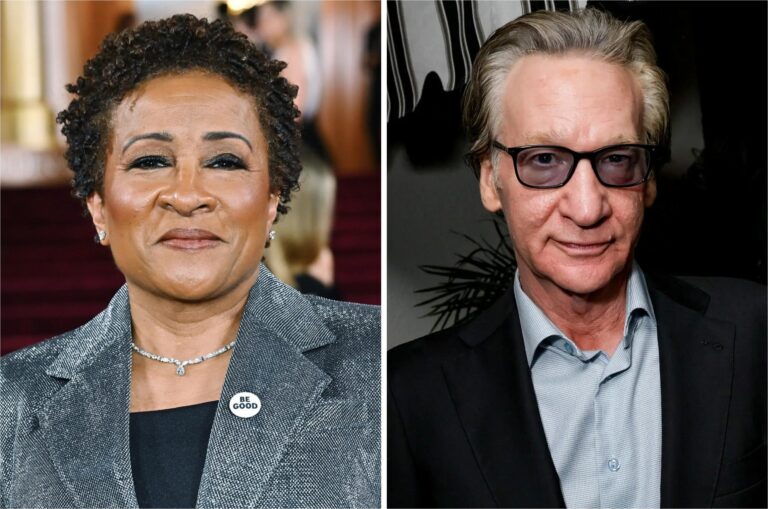
Wanda Sykes Says Bill Maher Confronted Her About Golden Globes Diss: ‘It Was Clearly a Joke’
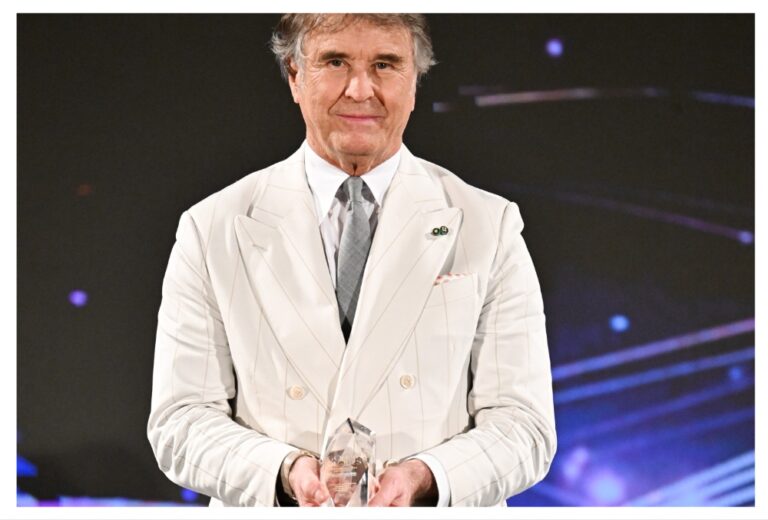
Italy’s ‘King of Cashmere’ Brunello Cucinelli on Taking Giuseppe Tornatore’s Docufilm About …
Colman Domingo on Working With Steven Spielberg on ‘Disclosure Day’ and Believing in Aliens: ‘It Can’t Just Be Us’
How Alien Conspiracy Theory Got Respectable
Trending Now
- संसद का समीकरण: TMC में दरार, DMK का अलग रास्ता, क्या मानसून सत्र में पास होगा परिसीमन बिल? समझिए पूरा गणित
- शिल्पा शिंदे ने लगाए थे प्रोड्यूसर पर सेक्सुअल हैरेसमेंट के झूठे आरोप, उपासना सिंह ने किया सपोर्ट, बोलीं- उस लड़की को मैं जानती हूं
- भारतीयों को राहत! कोर्ट ने H-1B वीजा पर ट्रंप की 1 लाख डॉलर फीस को किया रद्द
- Cheap Petrol: 20 रुपये सस्ता पेट्रोल मिलना तो शुरू हो गया, लेकिन अब तक नहीं आया कोई खरीदार, क्यों?
- ‘मम्मी मुझे चोर कहते हैं’, दर्द में डूबी 12 साल की बच्ची ने लगाई फांसी